How Rescue Dogs Learn to Trust Again
A rescue dog rarely walks through the front door of a new home and immediately acts like everything is fine.
Even dogs who never suffered outright abuse tend to carry some uncertainty from shelter life, multiple environments, or simply not knowing what happens next.
Learning to trust again is less a single moment and more a slow, cumulative process — and understanding how it works helps new owners give it the time it actually needs.
Why Trust Takes Longer Than People Expect
Most new owners assume affection should build the same way it does with a puppy raised from birth in one stable home.
Rescue dogs often arrive with no context for reading a new environment, so their nervous system defaults to caution until proven otherwise.
That caution isn’t stubbornness or a “bad match.” It’s a normal, temporary response to unfamiliarity.

The General Timeline Behind the Adjustment
Rescue organizations and animal behaviorists often describe a general adjustment framework sometimes called the “3-3-3 rule.”
Roughly three days to decompress from the shelter environment, three weeks to begin learning the household routine, and three months to start feeling truly at home.
It’s a rough guideline, not a guarantee, since every dog’s timeline depends on age, history, and temperament.
Still, the pattern holds across most rescues: the first stretch of time is about survival mode, not bonding, and that’s expected rather than a warning sign.
Small Signals That Show Progress
Trust rarely announces itself with a dramatic moment. It shows up in small, easy-to-miss signals long before a dog seems fully comfortable.
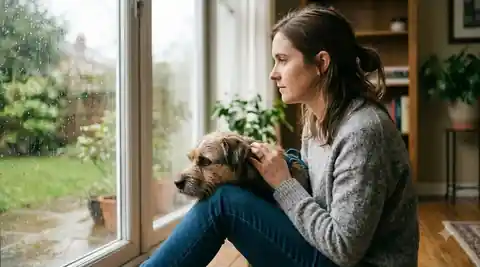
A dog that starts sleeping in an open area instead of a hidden corner, or one who begins approaching for food instead of waiting until no one’s watching, is already telling its owner something important.
Other early signs include a softer body posture, a slower tail wag instead of no wag at all, or simply choosing to be in the same room as its new family without being called.
What Owners Can Do to Help
There’s no shortcut to trust, but a few consistent habits make the process noticeably smoother for a rescue dog.
- Keep a predictable routine. Regular feeding, walk, and rest times give a rescue dog something reliable to hold onto while everything else feels new.
- Let the dog set the pace. Forcing contact, eye contact, or affection before a dog is ready usually slows things down rather than speeding them up.
- Use calm, low-key greetings. Loud excitement can feel overwhelming to a dog that’s still deciding whether a space is safe.
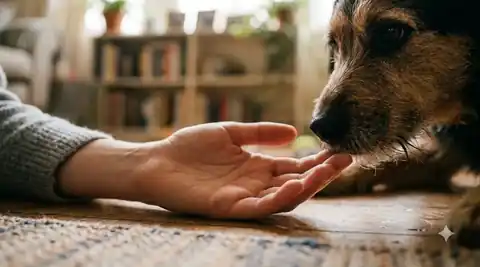
- Reward small brave moments. A treat or quiet praise when a dog approaches on its own reinforces that trust is worth the effort.

When Trust Deepens
Somewhere between the third week and the third month, most owners notice a shift. The dog that once hovered near the door starts choosing to be close.
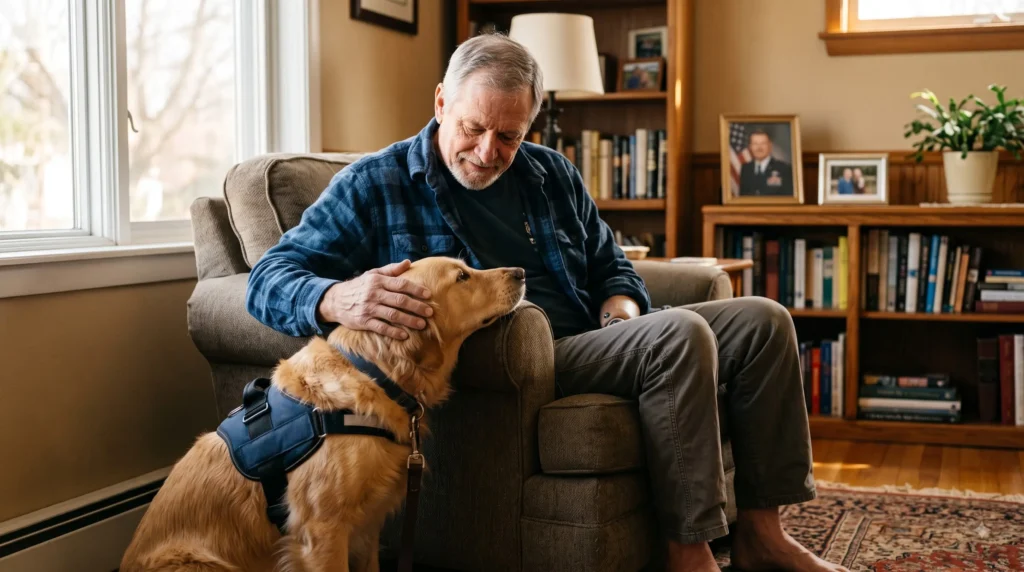
A head resting on a knee, a body leaning into a hand, a long exhale during a nap — these quiet moments are usually the clearest evidence that a dog finally feels safe.
It doesn’t happen on a fixed schedule, and setbacks after a stressful day or a loud noise are completely normal, even for dogs who’ve made real progress.
The Real Impact of Patience
- Fewer behavioral setbacks. Dogs who are given time to adjust at their own pace tend to show fewer fear-based reactions later on.
- Stronger long-term bonds. Trust built gradually, rather than forced early, tends to be more resilient through future stress or change.
- Better outcomes for future rescues. Owners who understand this process are often better equipped to foster or adopt again down the road.
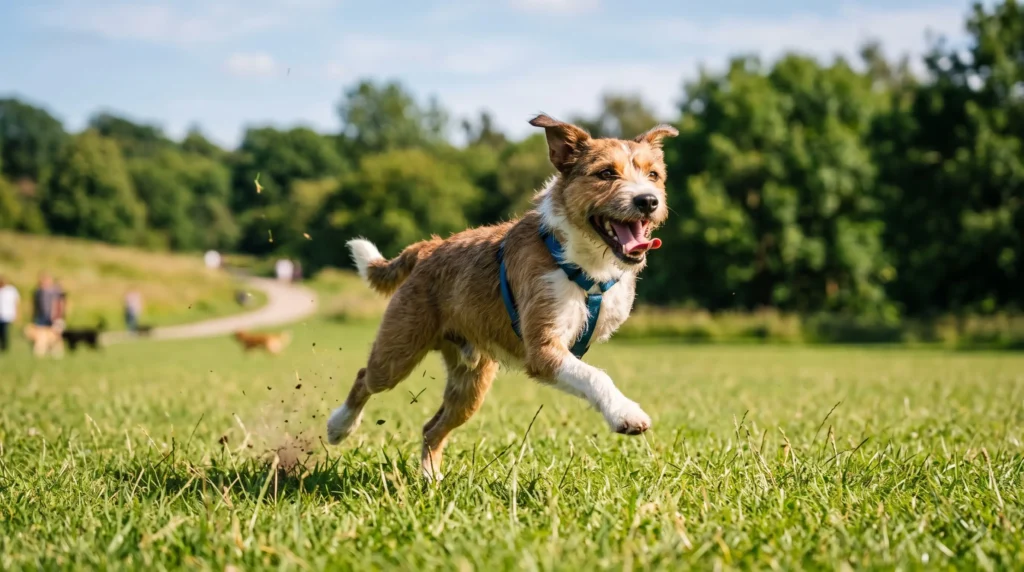
- A more accurate picture of the dog’s real personality. Many rescue dogs seem completely different once they finally relax — playful, silly, affectionate — traits fear had been masking.

Frequently Asked Questions
How long does it take for a rescue dog to fully trust its new owner?
It varies widely, but most owners see meaningful progress within the first one to three months, with deeper bonding continuing well beyond that.
Is it normal for a rescue dog to regress after a big step forward?
Yes. A stressful event, a change in routine, or even loud weather can cause a temporary step back, and it doesn’t erase the progress already made.
Should I adopt if I’ve never had a nervous or fearful dog before?
Many rescue dogs settle in without major issues. For dogs showing more pronounced fear, working with a professional trainer or behaviorist early on tends to help.
What should I watch for if my rescue dog seems stressed during the adjustment period?
Loss of appetite, digestive upset, or unusual lethargy can sometimes accompany stress and are worth mentioning to a veterinarian if they persist.
How Rescue Dogs Learn to Trust: Why It’s Worth the Wait
There’s no way to rush a rescue dog into feeling safe, and trying usually backfires. What actually works is time, consistency, and letting the dog decide when it’s ready.
For most owners, the wait ends the same way: a dog that once flinched at a raised hand is now leaning into it, asking for more.
If you’re bringing home a newly adopted dog and notice signs of stress like appetite changes or digestive upset during the adjustment period, run the symptoms through our Pet Symptom Checker and check in with your veterinarian. For a full walkthrough of the adoption process itself, see our complete guide to adopting a dog, and if you’re specifically considering an older rescue, our piece on why senior shelter dogs deserve a second chance covers similar ground.
Source: ASPCA — general guidance on helping newly adopted dogs adjust to a new home.

Sidnir Vieira is the founder of TechHavela. A lifelong pet owner who had a dog for many years and now lives with a cat, he writes educational guides that help owners understand symptoms and know when to call the vet. TechHavela’s articles are based on veterinary sources and are not reviewed by a veterinarian.